
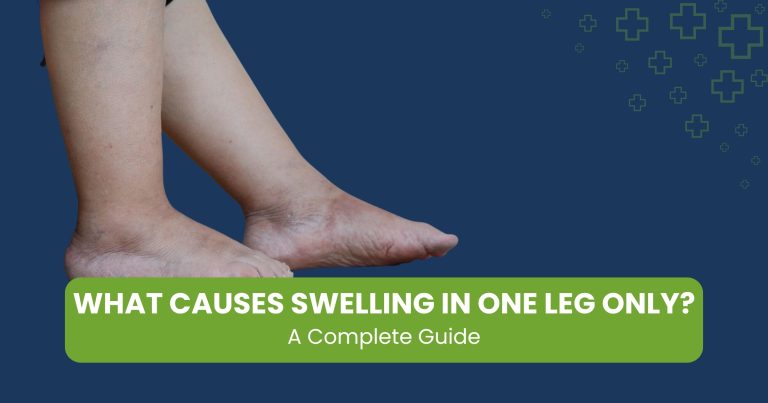
When one leg gets swollen and won't return to normal for extended periods, it can be very concerning. While both legs swelling simultaneously may indicate systemic issues with the heart, kidneys, or liver, swelling in only one leg frequently points to a localized problem with the veins, lymphatic system, or a specific injury.
What Causes One Leg to Swell and Not the Other?
If only one leg is swollen, something may be blocking blood, tissue, or lymph flow within that specific leg. Common reasons include vein problems (varicose veins or DVT), lymphatic blockages, infections, injuries, or occasionally cysts pressing on blood vessels.
1. Venous Insufficiency and Varicose Veins
Chronic venous insufficiency (CVI) is a common cause of one-leg swelling. When leg vein valves stop working properly, blood pools in the veins, leading to heaviness, aching after standing, visible varicose veins, and ankle skin discoloration.
2. Deep Vein Thrombosis (DVT)
A blood clot in a deep vein is a serious cause of unilateral leg swelling requiring immediate medical attention. Warning signs include sudden warmth, redness, pain or tenderness, and worsening symptoms. Untreated DVT can lead to a life-threatening pulmonary embolism.
3. Lymphedema
If lymph nodes or vessels are damaged or blocked, fluid builds up causing swelling — sometimes without pain in early stages. Causes include prior surgery, radiation therapy, infection, or genetic conditions. If untreated, the leg may feel heavy and thick, with the skin stiffening over time.
4. Infections (Cellulitis)
Cellulitis — a bacterial infection of the skin and soft tissues — often causes one leg to swell. It presents with redness, warmth, swelling, soreness, and sometimes fever. Prompt antibiotic treatment is required to prevent spread.
5. Injuries and Trauma
Sprains or fractures result in swelling on one leg. This swelling typically includes pain when moving, bruising, and limited mobility.
When to Seek Urgent Medical Care
Seek immediate care if one leg suddenly swells, you experience severe pain or tenderness, there is warmth and redness, or you develop shortness of breath (which could indicate a blood clot that has moved to the lungs).
Treatment Options
At Palos Healthcare Center, we offer personalized care including Varithena microfoam therapy for varicose veins, VenaSeal minimally invasive vein treatment, compression stocking therapy, lymphedema treatment, and medications for blood clots or infections.
Final Thoughts
Never ignore unilateral leg swelling. From small injuries to serious conditions like DVT, finding the cause early ensures the right treatment. Palos Healthcare Center offers safe, effective treatments to minimize swelling and improve your quality of life.