
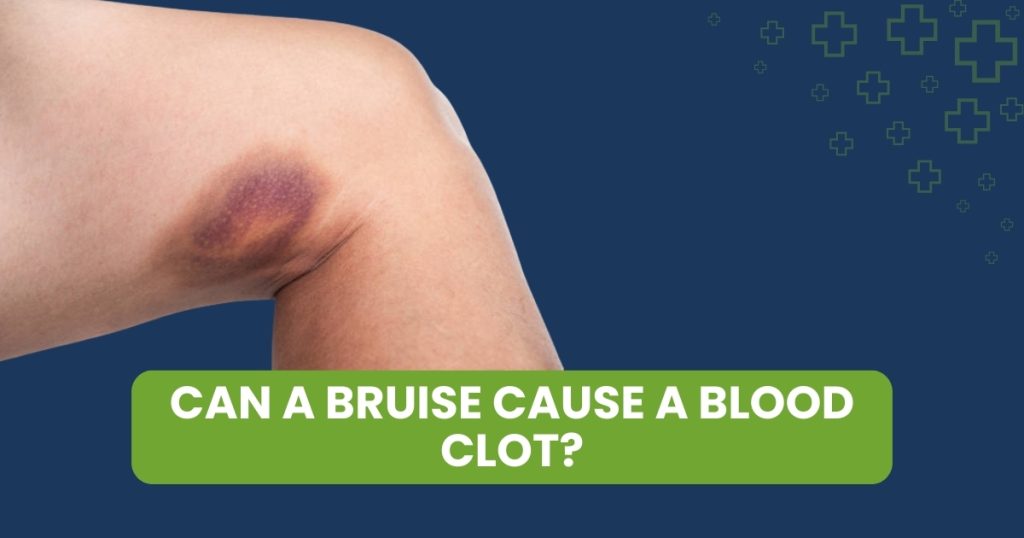
Can a Bruise Cause a Blood Clot? Symptoms & Prevention – Palos Healthcare Center

Can a Bruise Cause a Blood Clot? Symptoms & Prevention

Bruise Cause a Blood Clot? Symptoms & Prevention

Understanding Bruises and Blood Clots

While most bruises are harmless and heal on their own, in rare cases, a bruise can lead to blood clot formation. Understanding the connection between bruises and blood clots is important for proper care and early detection of complications.

How Bruises Form

A bruise occurs when small blood vessels rupture beneath the skin surface due to trauma or injury. The leaked blood causes discoloration and swelling that typically resolves within weeks.

Risk Factors for Blood Clot Formation

Certain factors increase the risk of blood clot development following a bruise, including immobility, previous clotting disorders, certain medications, and severe trauma.

Warning Signs to Watch For

Seek immediate medical attention if you experience excessive swelling, severe pain, warmth, redness, or signs of a deep vein thrombosis (DVT) such as unilateral leg swelling and calf pain.

← Back to Articles
Urgent Care Near Palos Hills

Frequently Asked Questions

A bruise itself does not cause a dangerous blood clot. Bruising is bleeding under the skin from broken capillaries. However, a deep bruise from significant trauma can, in rare cases, be accompanied by deeper vessel damage that contributes to clot formation.
A bruise is surface-level bleeding under the skin that causes discoloration. A blood clot (thrombus) forms inside a vein and can obstruct blood flow. Clots are not visible from the outside and are often accompanied by swelling, warmth, and pain.
If a bruised area develops hard swelling, becomes warm to the touch, causes significant pain, or is accompanied by leg swelling, it may indicate a deeper clot. These symptoms warrant immediate medical evaluation.
Risk factors include immobility after injury, dehydration, a history of DVT, clotting disorders, obesity, and smoking. Long periods of rest after a bruise or fracture increase clot risk substantially.
Yes — bruises that persist beyond two to three weeks, grow larger, or are accompanied by swelling and pain should be evaluated. Palos Healthcare Center provides urgent care for Palos Hills, Bridgeview, Oak Lawn, and southwest suburb residents.
Bruise and Blood Clot Evaluation
Centers for Disease Control and Prevention

CDC: Blood Clot Awareness

The CDC offers resources on recognizing DVT symptoms and understanding when bruising or injury may signal a more serious clotting event.

CDC Blood Clot Resources
📍

Get
Directions

Find Us On Map
📞

Emergency
Service?

+1 (708) 529 - 7109
✉️

Contact
Our Team

Send us an email