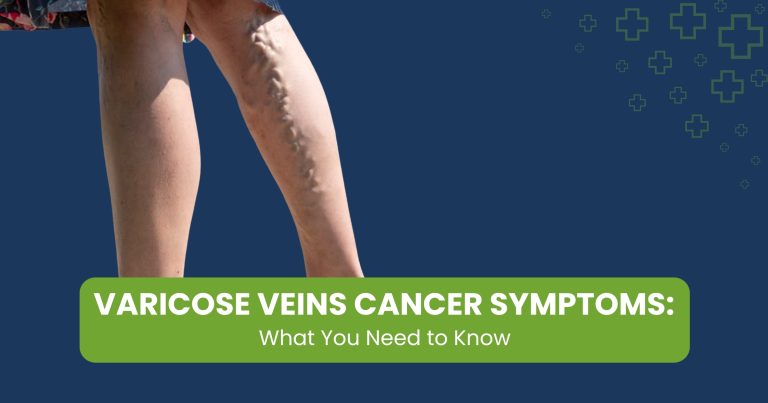

Varicose veins are widespread, twisted veins most commonly seen on the legs. Most people consider them a cosmetic problem, but they can also cause pain, swelling, and poor circulation. This raises an important question: Are varicose veins linked to cancer?
Varicose veins do not constitute cancer and do not indicate that you have cancer. They develop because of defective vein valves and weakening that influences blood flow. However, similar symptoms — such as swelling, pain, or skin color changes — can understandably cause concern.
Are Varicose Veins Linked to Cancer?
Varicose veins do not cause cancer. They are caused by weak vein valves, poor circulation, pregnancy, obesity, prolonged standing or sitting, or age-related changes.
Understanding Vein Cancer (Angiosarcoma)
In very rare cases, vein cancer — typically angiosarcoma — is a form of cancer that impacts blood vessels. It is extremely rare and not related to varicose veins. Signs that may indicate a more serious condition include:
- Hard, painful lumps in the blood vessel area
- Sudden and rapid swelling
- Purple or dark red skin patches spreading rapidly
- Ulcers that do not heal
- Unexplained bleeding or bruising
- Extreme tenderness or burning sensation
Common Varicose Vein Symptoms (Non-Cancerous)
- Blue or purple twisted veins visible under the skin
- Dull ache or heaviness in the legs
- Swelling around the ankles
- Itching near the affected vein
- Skin dryness or leg cramps at night
These are typical manifestations of inefficient vein operation — not cancer symptoms.
When to See a Doctor
Consult a specialist if your varicose veins are painful or rapidly growing, you see dark patches or non-healing ulcers on the skin, you notice lumps around your veins, swelling increases suddenly, or veins bleed unexpectedly. Early diagnosis always leads to better treatment outcomes.
How to Prevent Varicose Veins from Getting Worse
- Maintain a healthy weight
- Exercise regularly and elevate legs when resting
- Wear compression stockings as recommended
- Stay hydrated and avoid tight clothing
Final Thoughts
Varicose veins are not cancer, but it's important to recognize sudden or severe symptoms. Palos Healthcare Center is here to guide you with professional care, progressive diagnostics, and safe procedures for healthy veins and improved overall health.