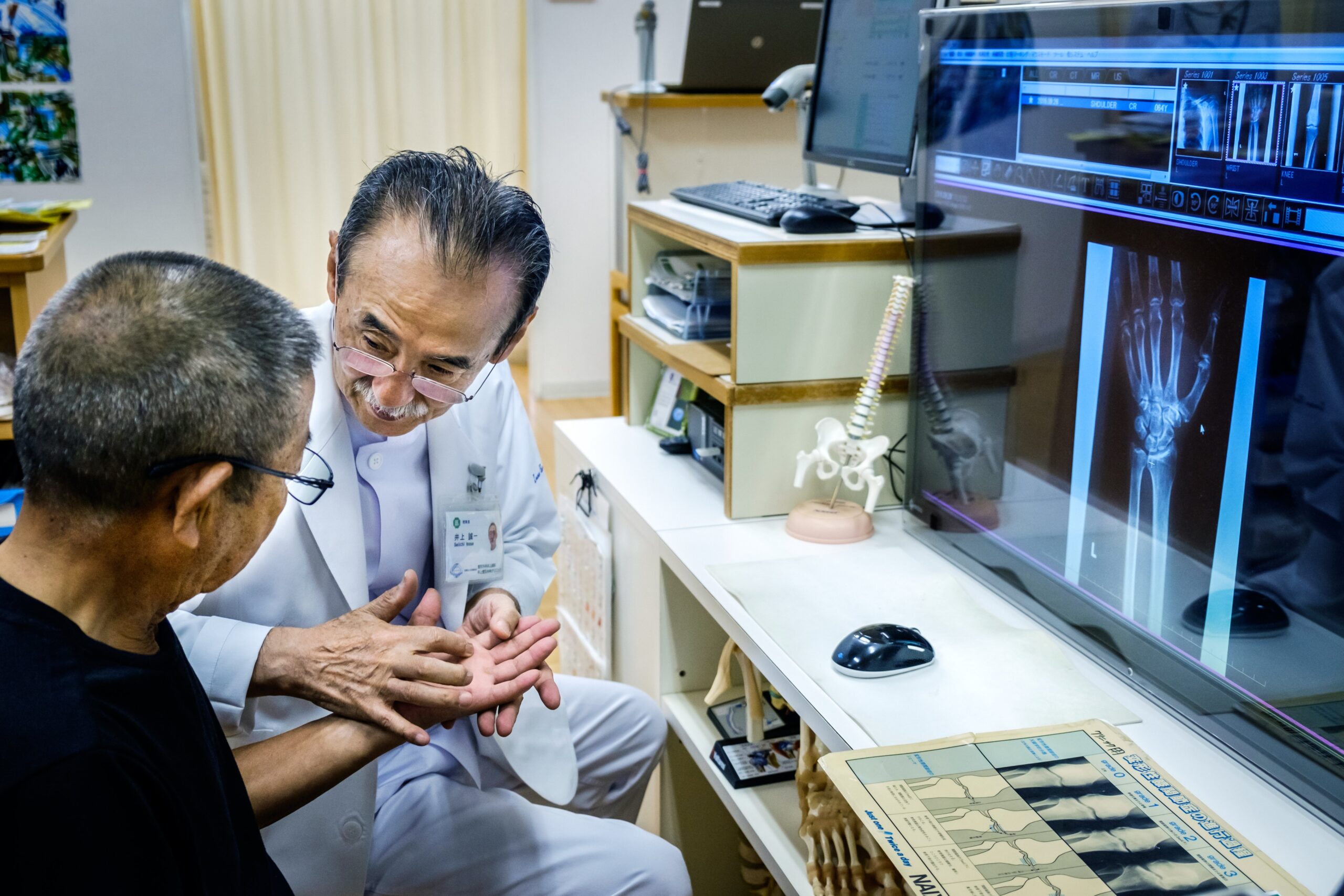

As the new school year approaches, many parents begin searching for back-to-school and sports physicals near Palos Heights. These exams help schools, coaches, and families confirm that a student is ready for classroom routines, physical education, and organized athletics. They also give parents a chance to discuss health concerns before schedules become busy.
Families in Palos Heights, Palos Hills, Orland Park, Worth, Hickory Hills, and the surrounding southwest suburbs often need physical forms completed before the first day of school or before tryouts begin. Because requirements can vary by school, district, grade level, and sport, it is important to review the exact form and contact the clinic before your visit.
Quick Answer: What Is a School or Sports Physical?
A school physical is a health exam used to review a student's general wellness, medical history, growth, and readiness for school activities. A sports physical focuses on whether a student athlete can safely participate in a sport based on their health history, symptoms, prior injuries, and physical exam findings.
These visits are preventive in nature. They are not a substitute for emergency care, and they do not replace ongoing care for chronic medical conditions. If your child has chest pain, trouble breathing, fainting, a serious injury, or symptoms that feel urgent, seek immediate medical attention.
Why Parents Should Plan Early Before the School Year
School and sports forms are often due before practices, tryouts, or registration deadlines. Planning early gives your family time to gather records, clarify school requirements, and address any follow-up questions before the first week of class.
- Forms may require parent signatures, medical history, and clinician completion.
- Some schools require specific state, district, or athletic association paperwork.
- Students with asthma, allergies, heart concerns, prior injuries, or medications may need extra documentation.
- Missing forms can delay sports participation or school clearance.
What to Bring to a School or Sports Physical
Arriving prepared helps the visit go more smoothly. Before leaving home, review the school or team instructions and make sure the required documents are complete where parents or guardians need to fill them out.
Helpful items to bring
- The official school, camp, or sports physical form
- A parent or guardian when required for minors
- Medication list, including inhalers, allergy medicine, or daily prescriptions
- Known allergies and past reactions
- Past medical history, surgeries, hospital visits, or specialist care
- Information about previous concussions, fractures, sprains, or sports injuries
- Glasses, contacts, braces, or other equipment your child uses
- Insurance card and identification, if applicable
If your child has a condition that affects activity, such as asthma, diabetes, seizures, heart symptoms, or a recent injury, bring any relevant notes from the treating clinician. You can also review accepted plans on our insurance information page and contact the office with questions before visiting.
What Clinicians Usually Review During the Visit
A school or sports physical generally starts with a health history. The clinician may ask about past illnesses, medications, allergies, surgeries, injuries, family history, exercise tolerance, and symptoms that occur during activity.
The physical exam may include a general check of height, weight, blood pressure, heart and lung sounds, joints, posture, strength, flexibility, and any body system related to the student's history or form requirements. The goal is to identify concerns that may need attention before a student begins school activities or sports participation.
Sports Physicals for Student Athletes
Sports physicals are especially important for students returning to football, soccer, basketball, volleyball, track, cheer, wrestling, baseball, softball, and other school sports. The visit can help identify symptoms or injury patterns that should be evaluated before heavy training begins.
Important symptoms to mention
- Chest pain, pressure, or tightness during exercise
- Shortness of breath beyond expected exertion
- Fainting, dizziness, or feeling lightheaded with activity
- Fast, irregular, or unusual heartbeat
- History of concussion or repeated head injuries
- Joint pain, swelling, instability, or repeated sprains
- Heat illness, dehydration, or trouble tolerating intense practices
Families with heart-related concerns can learn more about local evaluation options on our cardiovascular healthcare services page. For sudden illness, minor injury, or time-sensitive non-emergency concerns, our urgent care services page explains the types of care patients commonly seek in an urgent care setting.
School Physicals for Younger Students
For younger students, a school physical may focus more heavily on growth, development, general wellness, hearing or vision concerns, chronic conditions, and forms needed for school enrollment. Parents should bring any school paperwork and be ready to discuss how the child is doing at home, in class, and during physical activity.
This is also a good time to raise questions about sleep, nutrition, headaches, stomach pain, allergies, asthma symptoms, medication use, or activity limits. If a child has symptoms that need same-day attention, parents can review our guide on when to go to urgent care.
Local Access Near Palos Heights and the Southwest Suburbs
For many families, convenience matters. Parents may be balancing school registration, work schedules, practices, and transportation between Palos Heights, Palos Hills, Orland Park, Worth, Hickory Hills, and nearby southwest suburbs. A local medical visit can make it easier to complete forms and ask questions before deadlines arrive.
Before your visit, call or use the contact page to confirm what paperwork is needed, whether a parent or guardian must be present, and what information the clinic needs to complete the requested form. This helps avoid delays when a school or sports organization has specific requirements.
When a Physical May Lead to Follow-Up
Most school and sports physicals are straightforward, but sometimes the clinician may recommend follow-up before signing a form. That can happen when a student reports concerning symptoms, has an unresolved injury, needs records reviewed, or has a medical condition that requires more information.
A follow-up recommendation does not automatically mean a student cannot participate. It means the clinician wants to make sure the student's health and safety are addressed before clearance is completed. Parents should share any existing specialist notes, medication plans, or school health plans when available.
How Parents Can Prepare Students for the Visit
Students are often more comfortable when they know what to expect. Explain that the visit is a routine health review, not a punishment or tryout. Encourage them to answer questions honestly, especially about pain, breathing, dizziness, fainting, injuries, or symptoms during exercise.
- Complete parent sections of the form before arriving.
- Write down questions in advance.
- Bring medication names and doses instead of relying on memory.
- Tell the clinician about recent illness, injury, or specialist visits.
- Do not hide symptoms to speed up clearance for a sport.
Bottom Line for Families Near Palos Heights
Back-to-school and sports physicals help parents, schools, and coaches make informed decisions before the year begins. The best approach is to prepare early, bring the correct forms, share a complete medical history, and ask questions if your child has symptoms or past injuries.
If your family is near Palos Heights, Palos Hills, Orland Park, Worth, Hickory Hills, or the southwest suburbs, review the required paperwork and contact Palos Healthcare Center before your visit so the care team can help you understand what to bring.