
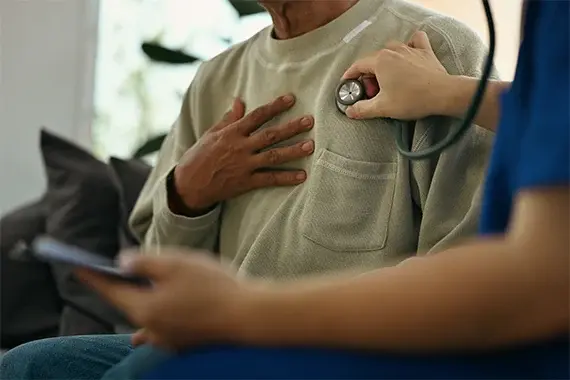
If you have been searching for a cardiologist near me in Palos Hills, Bridgeview, Oak Lawn, Worth, Hickory Hills, or nearby southwest Chicago suburbs, you are not alone. Heart concerns can feel stressful, especially when symptoms are new, persistent, or difficult to explain. A cardiologist is a doctor who focuses on the heart and blood vessels, and seeing one when needed can help you understand your symptoms, reduce your risk, and make informed decisions about your care.
What Is a Cardiologist?
A cardiologist is a medical specialist trained to evaluate and treat conditions that affect the heart, blood vessels, and circulation. They often help with high blood pressure, cholesterol concerns, chest discomfort, palpitations, irregular heart rhythms, and heart failure. In many cases, a primary care doctor will refer a patient to a cardiologist after a routine visit, a concerning screening result, or symptoms that need a closer look.
Common Symptoms and When They Matter
Some heart symptoms are mild and temporary, while others deserve prompt medical attention. The important thing is to pay attention to symptoms that are new, recurring, or getting worse.
- Chest pressure, tightness, or discomfort
- Shortness of breath during everyday activity or at rest
- Fast, skipping, or pounding heartbeat
- Fatigue, dizziness, fainting, or unusual weakness
- Swelling in the legs or ankles
- Reduced ability to exercise or a sudden drop in stamina
These symptoms can happen for many reasons, but they should be discussed with a qualified clinician, especially if they happen more than once or are paired with high blood pressure, diabetes, smoking, or a family history of heart disease.
| Symptom | Why it matters | When to seek care |
|---|---|---|
| Chest pain or pressure | Can be linked to reduced blood flow to the heart | Seek urgent medical care for severe or recurring symptoms |
| Shortness of breath | May suggest heart strain, fluid buildup, or another medical issue | Discuss with a doctor if it happens often or during simple activity |
| Palpitations | May reflect an irregular heartbeat | Get evaluated if they are frequent, prolonged, or paired with dizziness |
What Raises the Risk of Heart Disease?
Heart disease does not happen for one reason. Risk often builds over time from a combination of health, lifestyle, and family factors. Common risk factors include high blood pressure, high cholesterol, diabetes, smoking, obesity, inactivity, chronic stress, sleep problems, and a family history of heart disease. Some of these factors can be changed, and some cannot, which is why regular checkups and early conversations about heart health matter.
Risk is not identical for everyone. Women often report heart symptoms that are easy to attribute to stress or fatigue, and pregnancy complications such as preeclampsia can signal longer-term risk years later. Our guide to women's health near Palos Hills covers these differences in more detail.
How a Cardiologist Evaluates Heart Health
A first visit usually starts with a review of your medical history, symptoms, family history, medications, diet, exercise habits, and blood pressure. Depending on the concern, your cardiologist may recommend tests such as an EKG, echocardiogram, stress test, Holter monitor, or blood work. These tests help determine whether the issue is related to blood flow, heart rhythm, heart muscle function, or another cardiovascular concern.
Treatment Options a Cardiologist May Recommend
Treatment depends on the diagnosis and your overall health. In many cases, the first step is a plan that combines medication, lifestyle changes, and careful follow-up. A cardiologist may recommend blood pressure or cholesterol medicine, diet and exercise guidance, smoking cessation support, heart rhythm monitoring, or procedures performed in a hospital setting when appropriate. Not every patient needs a procedure, and a personalized plan is often the most effective place to begin.
When to See a Specialist Sooner
You should not wait too long if you have chest pain, severe shortness of breath, fainting, or symptoms that are worsening quickly. If you already have a diagnosis such as high blood pressure, an irregular heartbeat, or heart failure, regular follow-up with a cardiologist can help you stay on top of your care. If you are unsure whether your symptoms are urgent, your primary care doctor or an urgent care clinic can help with an initial evaluation, especially if symptoms are severe or sudden. You can also review our guide to urgent care near you for more information.
Local Heart Care in Southwest Chicago
For patients in Palos Hills, Bridgeview, Oak Lawn, Worth, Hickory Hills, and nearby communities, local access to care can make follow-up visits easier. A convenient office can help patients keep appointments, coordinate with their primary care doctor, and get answers sooner. At Palos Healthcare Center, our team offers cardiovascular evaluations and heart health support for patients across the southwest Chicago area. Learn more about our cardiovascular healthcare services and everyday heart health habits in our heart health tips article.
What to Expect at Your First Visit
During your first visit, your cardiologist will usually review your symptoms, medical history, family history, medications, and lifestyle. They may check your blood pressure, pulse, heart sounds, and other signs of cardiovascular health. If testing is needed, they will explain why it is being ordered and what the results may tell them about your heart health.
Conclusion
If you have been looking for a cardiologist near me, the right next step is a thoughtful evaluation with a qualified specialist. Early conversations about chest discomfort, high blood pressure, unusual fatigue, or a family history of heart disease can lead to better understanding and more personalized care. If you would like help finding a local heart specialist, we invite you to schedule a consultation and talk through your symptoms with our care team.