Understanding Sclerotherapy
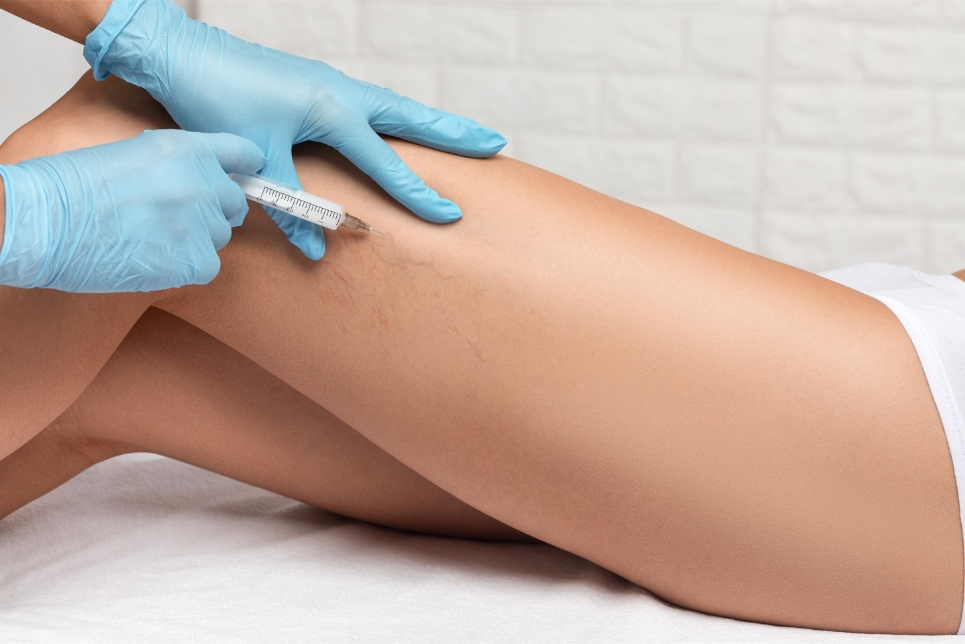
Sclerotherapy is a proven, minimally invasive treatment that injects special solutions into problem veins, causing them to collapse and fade. It's effective for both spider veins and smaller varicose veins.
How Sclerotherapy Works
A sterile solution is injected directly into the affected vein using a fine needle. The solution irritates the vein lining, causing it to seal shut. Blood flow is rerouted to healthier veins, and the treated vein gradually fades.
Types of Sclerotherapy
Liquid sclerotherapy works well for spider veins. Foam sclerotherapy is more effective for larger varicose veins. Ultrasound-guided foam sclerotherapy provides precision treatment for deeper veins.
The Procedure
Sessions typically take 15-45 minutes depending on the number and size of veins treated. Multiple sessions may be needed for optimal results, typically spaced 4-6 weeks apart.
Recovery and Results
Patients can resume normal activities immediately after treatment. Mild bruising and swelling may occur but typically resolve within days. Veins begin fading within weeks, with full results appearing in 3-6 months.
Benefits and Effectiveness
Success rates are high with 70-80% of treated veins showing significant improvement. The procedure is affordable, requires no anesthesia, and has minimal side effects.
Risks and Complications
Sclerotherapy is generally safe with uncommon complications including allergic reactions, blood clots, or skin discoloration. These risks are minimized when performed by experienced practitioners.