The Science of Vein Color
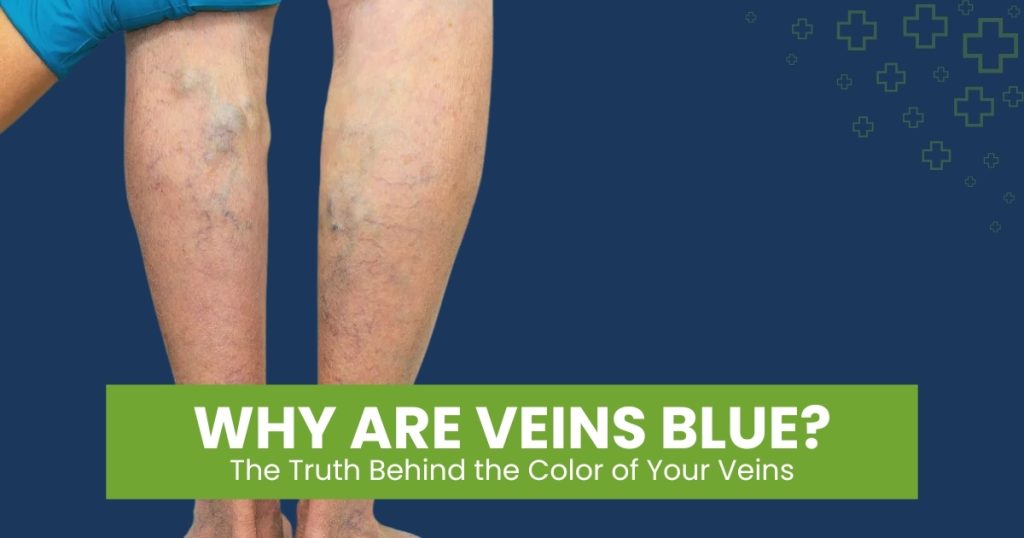
Many people wonder why veins appear blue when blood is actually red. The answer lies in how light interacts with blood and tissue, creating an optical illusion.
How Light Affects Vein Color
Blue light penetrates deeper into skin than other colors, while red light is absorbed at the surface. When blue light hits oxyhemoglobin in veins, it reaches our eyes appearing blue.
Oxyhemoglobin vs Deoxyhemoglobin
Contrary to popular belief, venous blood is still somewhat oxygenated—not completely blue. The combination of wavelengths absorbed and reflected creates the blue appearance we perceive.
Skin Tone and Vein Visibility
Individuals with lighter skin see more prominent blue veins, while those with darker skin tones may perceive green or purple hues. The underlying vessels are the same color in all skin tones.
When Veins Appear Different Colors
Green veins indicate deeper location. Purple or red veins may indicate inflammation or other vascular issues requiring attention.
Vein Health and Appearance
While vein color is mostly cosmetic, prominent or bulging veins may indicate underlying vascular conditions deserving professional evaluation.