
Why Are Veins Blue? The Truth Behind the Color of Your Veins – Palos Healthcare Center

Why Are Veins Blue? The Truth Behind the Color of Your Veins

The Science of Vein Color

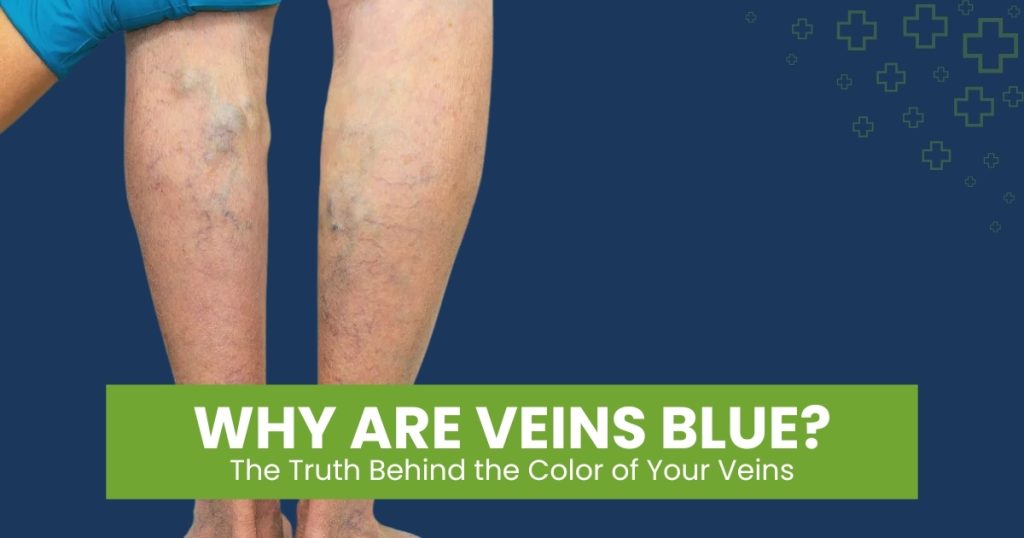
Many people wonder why veins appear blue when blood is actually red. The answer lies in how light interacts with blood and tissue, creating an optical illusion.

How Light Affects Vein Color

Blue light penetrates deeper into skin than other colors, while red light is absorbed at the surface. When blue light hits oxyhemoglobin in veins, it reaches our eyes appearing blue.

Oxyhemoglobin vs Deoxyhemoglobin

Contrary to popular belief, venous blood is still somewhat oxygenated—not completely blue. The combination of wavelengths absorbed and reflected creates the blue appearance we perceive.

Skin Tone and Vein Visibility

Individuals with lighter skin see more prominent blue veins, while those with darker skin tones may perceive green or purple hues. The underlying vessels are the same color in all skin tones.

When Veins Appear Different Colors

Green veins indicate deeper location. Purple or red veins may indicate inflammation or other vascular issues requiring attention.

Vein Health and Appearance

While vein color is mostly cosmetic, prominent or bulging veins may indicate underlying vascular conditions deserving professional evaluation.

Vein Health Near Palos Hills

Frequently Asked Questions

Blood is always red, but veins appear blue or greenish through the skin because of how light penetrates tissue. Red wavelengths of light are absorbed by deeper tissues, while blue wavelengths reflect back through the skin — making veins appear blue despite containing red blood.
Blue or greenish veins visible through the skin are normal and do not indicate disease. The color is a visual effect of light physics, not an indicator of vein health.
Vein visibility depends on skin tone, body fat percentage, hydration, and age. People with lighter skin, lower body fat, and thinner skin tend to have more visible veins. This is a normal variation.
Unhealthy veins may appear rope-like, twisted, or bulging (varicose veins), or as small purple/red webs (spider veins). Veins with thrombophlebitis may appear as a hard, tender red cord under the skin.
A sudden change in vein color — such as veins becoming very dark, appearing purple-black, or veins in an area that is also cold, painful, or discolored — may indicate a circulatory issue and should be evaluated.
Palos Healthcare Center offers vein assessments for cosmetic and medical concerns in Palos Hills, serving patients from Bridgeview, Worth, Oak Lawn, and the southwest suburbs.
Why Veins Appear Blue — Science Explained
National Institutes of Health

NIH: Blood and Vascular Biology

The NIH provides educational resources on blood composition, vessel structure, and the optical properties that affect how veins appear through the skin.

NIH Vascular Biology Resources
📍

Get
Directions

Find Us On Map
📞

Emergency
Service?

+1 (708) 529 - 7109
✉️

Contact
Our Team

Send us an email