Understanding Blood Pooling
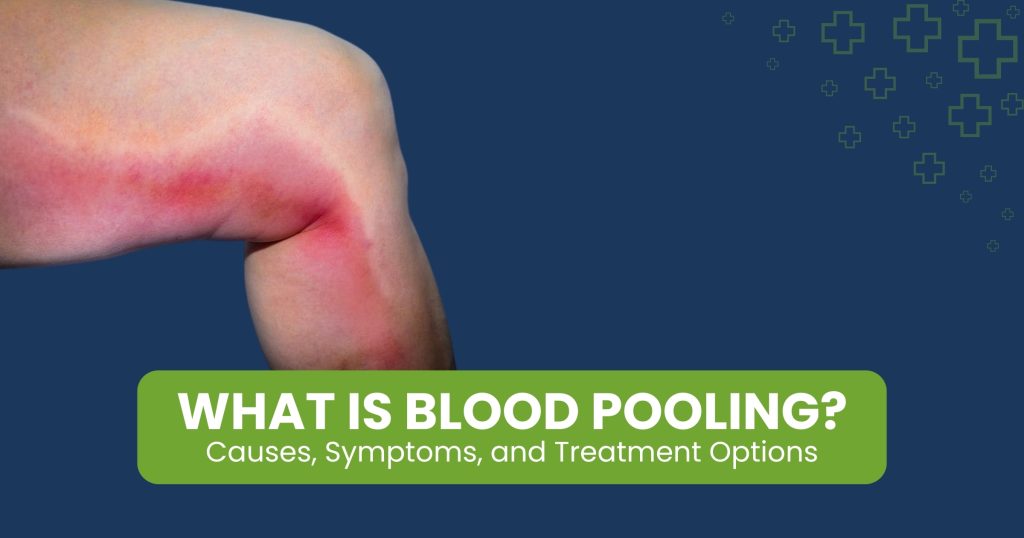
Blood pooling occurs when blood accumulates in veins rather than flowing efficiently back to the heart. This stagnation can cause discomfort, swelling, and complications if left untreated.
Causes of Blood Pooling
Venous insufficiency, varicose veins, sedentary lifestyle, pregnancy, obesity, and prolonged sitting or standing are common causes. Damaged venous valves prevent proper circulation.
Symptoms of Blood Pooling
Signs include leg swelling, heaviness, aching pain, skin discoloration, and visible veins. Symptoms worsen at day's end or after prolonged inactivity.
Blood Pooling in Feet
Feet are particularly susceptible to blood pooling due to gravity. This can cause swelling, pain, and potential for clot formation.
Treatment Options
Conservative treatments include leg elevation, compression garments, and regular exercise. Professional vein procedures effectively address underlying venous problems causing pooling.
Prevention Strategies
Staying active, managing weight, taking breaks from sitting, and wearing compression garments help prevent blood pooling complications.