What is a Valve in a Vein? Why do Veins have Valves? – Palos Healthcare Center

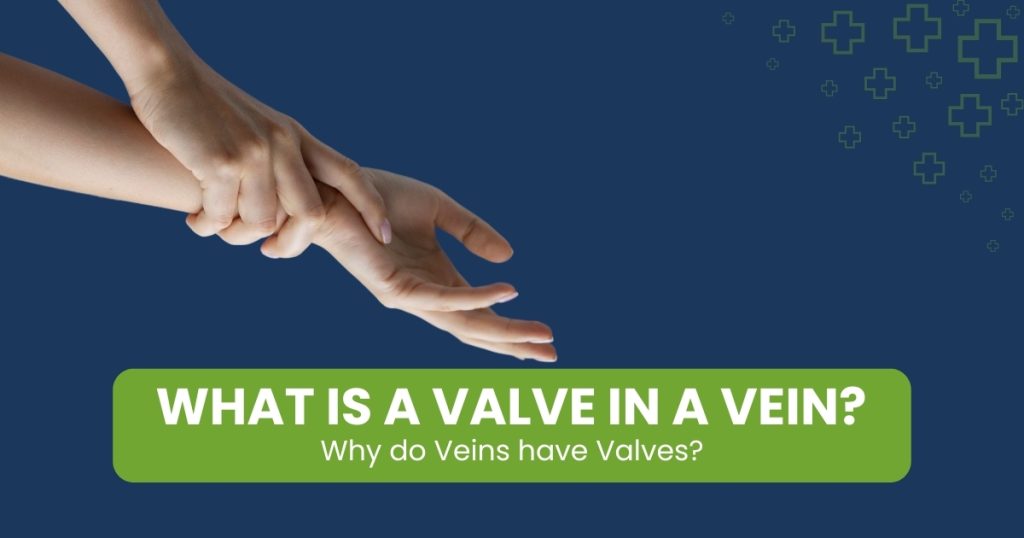
What is a Valve in a Vein? Why do Veins have Valves?

Understanding Venous Valves

Venous valves are crucial components of the circulatory system that prevent blood from flowing backward in the veins. These one-way valves ensure efficient blood return to the heart.

How Venous Valves Work

Each vein contains multiple valve pairs that open to allow forward blood flow and close to prevent backflow. When muscles contract, pressure increases and valves open, allowing blood to move upward. When pressure decreases, valves close to prevent backflow.

Location and Function

Valves are primarily located in leg veins where they work against gravity to return blood to the heart. They're essential for preventing blood pooling and maintaining proper circulation.

Valve Dysfunction and Disease

When valves become damaged or weaken, they cannot fully close, allowing blood to flow backward. This causes venous reflux, leading to varicose veins, edema, and venous insufficiency.

Protecting Your Venous Health

Regular exercise, maintaining healthy weight, elevating legs, and wearing compression garments help protect vein valves and maintain proper circulation.
Vein Valve Care Near Palos Hills

Frequently Asked Questions

Venous valves are small, one-way flaps inside veins that open to allow blood to flow toward the heart and close to prevent it from flowing backward. They are essential for maintaining proper venous return — especially against gravity in the leg veins.
When valves fail, blood flows backward and pools in the lower veins — a condition called venous reflux or chronic venous insufficiency. This leads to varicose veins, swelling, leg heaviness, and over time, skin changes and ulcers.
Valves are found throughout the venous system but are most numerous and clinically significant in the leg veins, particularly the great and small saphenous veins and the deep femoral and popliteal veins.
Damaged vein valves cannot be directly repaired. Instead, the diseased vein segment is treated — by ablation, sclerotherapy, or phlebectomy — redirecting blood flow to healthy veins with functioning valves.
Yes. Valve weakness and venous insufficiency have a significant genetic component. If your parents or siblings have varicose veins or CVI, your risk is substantially higher.
Palos Healthcare Center provides duplex ultrasound evaluations for venous reflux and valve dysfunction in Palos Hills, IL, serving Bridgeview, Worth, Oak Lawn, and the southwest suburbs.
Venous Valves — Function and Dysfunction
National Institutes of Health

NIH: Venous Valve Function and Disease

The NIH provides clinical and educational resources on venous valve anatomy, the role of valves in preventing venous insufficiency, and treatment approaches.

NIH Venous Valve Resources
📍

Get
Directions

Find Us On Map
📞

Emergency
Service?

+1 (708) 529 - 7109
✉️

Contact
Our Team

Send us an email