Learn About Venous Reflux in Legs: Symptoms and Solutions – Palos Healthcare Center

Learn About Venous Reflux in Legs: Symptoms and Solutions

Learn About Venous Reflux in Legs: Symptoms and Solutions

Understanding Venous Reflux

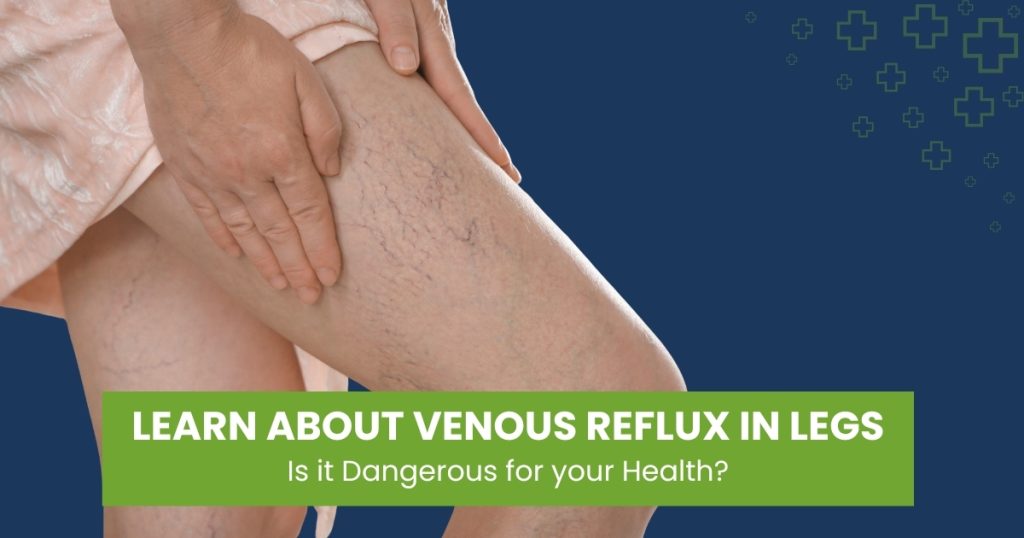
Venous reflux occurs when faulty venous valves allow blood to flow backward instead of upward toward the heart. This condition leads to blood pooling, increased pressure, and various symptoms.

Causes of Venous Reflux

Valve deterioration due to age, genetics, pregnancy, obesity, or prolonged standing can cause reflux. Previous blood clots may also damage valves and trigger the condition.

Symptoms of Venous Reflux

Common symptoms include leg fatigue, heaviness, swelling, aching pain, and skin changes. Symptoms often worsen at the end of the day or after prolonged standing.

Diagnostic Methods

Duplex ultrasound imaging provides accurate diagnosis by visualizing blood flow and identifying valve dysfunction. This non-invasive test guides treatment planning.

Treatment Options

Compression therapy helps initial symptoms. Minimally invasive procedures like endovenous laser therapy, radiofrequency ablation, or sclerotherapy effectively treat underlying reflux.

Prevention and Management

Staying active, maintaining healthy weight, elevating legs, and wearing compression garments help manage symptoms and prevent progression.

Venous Reflux Treatment Near Palos Hills

Frequently Asked Questions

Venous reflux (venous insufficiency) occurs when the one-way valves in leg veins fail, allowing blood to flow backward and pool in the lower legs instead of returning efficiently to the heart.
Venous reflux is caused by weakened or damaged vein valves. Risk factors include prolonged standing or sitting, pregnancy, obesity, family history, and previous blood clots (DVT).
Symptoms include leg heaviness, aching, swelling, visible varicose veins, skin discoloration around the ankles, itching, and in advanced cases, venous ulcers on the lower legs.
Venous reflux is diagnosed using duplex ultrasound, which measures blood flow direction and velocity in the leg veins. This non-invasive test identifies reflux in specific vessels and guides treatment planning.
Treatment options include compression therapy, endovenous ablation (radiofrequency or laser), sclerotherapy, and phlebectomy. The right treatment depends on the affected veins and severity of reflux.
Palos Healthcare Center provides duplex ultrasound evaluation and treatment for venous reflux in Palos Hills, IL, serving patients from Bridgeview, Worth, Oak Lawn, and the southwest suburbs.
Venous Reflux in the Legs — Causes and Treatment
National Institutes of Health

NIH: Venous Insufficiency and Reflux

The NIH provides clinical and patient-facing resources on venous reflux, its diagnosis via duplex ultrasound, and current treatment guidelines.

NIH Venous Reflux Resources
📍

Get
Directions

Find Us On Map
📞

Emergency
Service?

+1 (708) 529 - 7109
✉️

Contact
Our Team

Send us an email